Before the ice forms
Ice Dam Prevention in Indianapolis
Ice dam prevention in Indianapolis is winter planning done in advance: keeping gutters and downspouts clear, and heat cables along eaves and gutters where they fit, so meltwater has a path off the roof instead of pooling behind ice at the eave. This page covers prevention only — what can be put in place before winter, and the limits of those measures. Call (317) 953-7363 during business hours to discuss prevention for a roofline.
Prevention before winterHeat cables discussedClear gutters first
What's included
What Ice Dam Prevention Covers
Prevention work covers the measures that can be put in place before winter: a clear drainage path, heat cables where they fit, and a clear-eyed view of what those measures can and cannot do.
Clear gutters and downspouts
Gutters and downspouts kept clear of debris and snow give meltwater a path off the roof. Guidance from the National Weather Service (Grand Rapids office) includes keeping gutters and downspouts clear of snow and icicles all winter long.
Heat cables along eaves and gutters
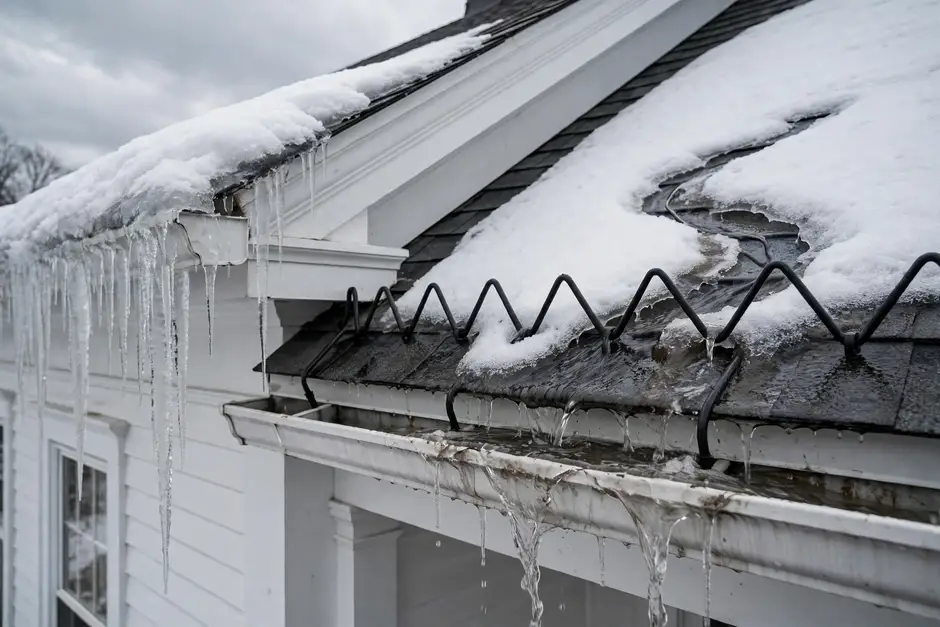
Heat cables, sometimes called heat tape, are laid along eaves and in gutters to keep a drainage channel open through ice. They are discussed as a supplement, not as a permanent fix for the conditions that form ice dams.
How ice dams form
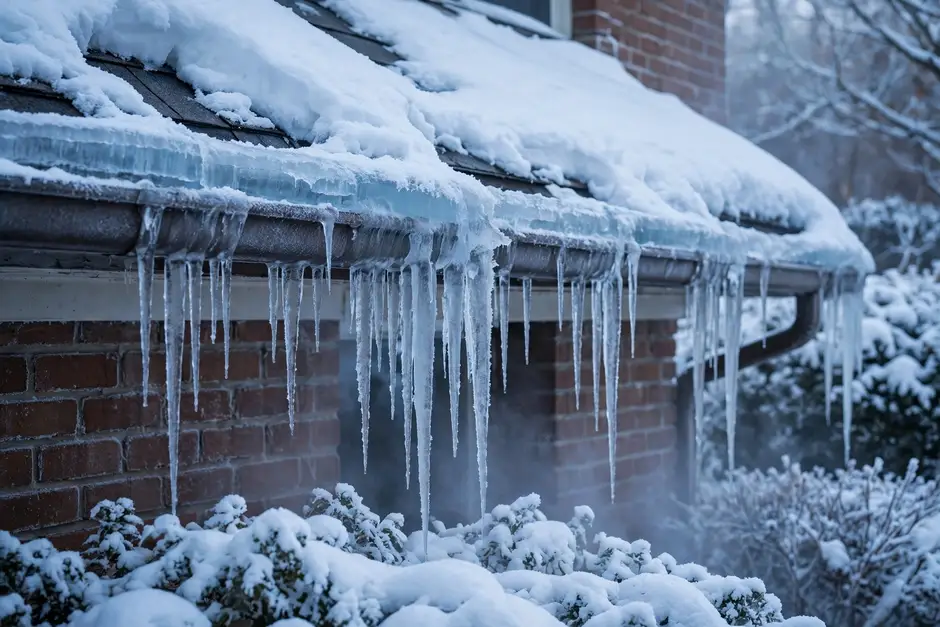
Ice dams form when snow on the roof melts during the day and refreezes at the colder eave overnight. After repeated melt-freeze cycles, ice builds up at the eave and meltwater pools behind it, where it can work under shingles and into the home. That mechanism is described by the National Weather Service.
Honest limits of cables
Cables keep a channel open; they do not address the heat loss from the home that melts roof snow in the first place. Insulation and ventilation are the underlying factors, and work on them sits outside this page's scope — cables are a supplement, not a substitute.
When to call
Prevention is planned in fall, before the first freeze and before snow loads the roof. Call during business hours to discuss what applies to a particular roofline, including whether heat cables fit the eave and gutter layout.
Service overview
Ice Dams, Winter, and Prevention in Indianapolis
Indianapolis winters give ice dams their ingredients. The city averages 25.5 inches of snowfall a year (National Weather Service 1991–2020 normals, Indianapolis International Airport), concentrated in December through February, with January averaging 8.8 inches. Average temperatures straddle freezing through the shoulder months — the first freeze averages October 26 and the last April 17 — so repeated melt and refreeze across the cold season is the normal pattern, not the exception. No official count of annual freeze-thaw cycles for Indianapolis was found in research, so none is stated here; the mechanism, rather than a number, is what matters for prevention.
Prevention has a clear order. First, the drainage path: gutters and downspouts clear before winter, so meltwater can leave the roof. Second, heat cables where they fit: along eaves and in gutters, keeping a channel open through ice that does form. Third, the honest limit: cables do not fix the heat loss that melts roof snow, and this page does not present them as doing so. What this page does not cover is equally plain: ice-dam removal, insulation work, and ventilation work are not claimed here. A caller describing an active leak should call during business hours to discuss the situation and what applies to that roof.
How we workPrevention is planned in fall, the drainage path comes first, and the limits of cables are stated plainly.
The service timeline
How Ice Dam Prevention Is Usually Discussed
Prevention is planned, not rushed. The steps below describe how the conversation usually proceeds.
Call in fall, before winter
Call during business hours, ideally in fall, and describe the roofline, the eave layout, and whether ice dams have formed in past winters.
Look at the eaves and gutters
The eaves, gutters, and downspouts are looked at for the drainage path meltwater would take, and for the places ice has formed before.
Talk through cables and clearing
Heat-cable placement and gutter clearing are discussed against the roofline, along with the honest limits of cables and the cost factors involved.
Put prevention in place
Gutters and downspouts are cleared, and heat cables are laid where they were discussed, before the cold season sets in.
Know what to watch for
What to watch for through winter — icicle buildup, water stains at the eave, overflow at the gutter — is talked through, along with when to call during business hours.
Tools & methods
Tools and Methods Used in Ice Dam Prevention
Prevention uses clearing tools and heat-cable materials. The list below explains what each one is for.
Heat cables and clips
Cables laid along eaves and in gutters, held with clips, to keep a drainage channel open through ice.
Extension ladder and standoff stabilizer
Reaches the eave while keeping the ladder off the gutter itself, so the run is not bent during the work.
Gutter scoop and brush
Clears leaves and debris from the run before winter, so meltwater has a path off the roof.
Roof rake
The tool named in National Weather Service guidance for reducing snow load from the ground, keeping the load on the roof down through winter.
Downspout auger
Clears packed debris from downspouts so meltwater can reach the discharge point.
Cordless drill and fasteners
Secures cable clips and fittings with fasteners suited to the eave and gutter material.
Garden hose and water flow
Runs water through the gutter and downspout to confirm the drainage path is open before winter.
Use cases
When Ice Dam Prevention Is the Call
Prevention calls arrive in fall, from homeowners who have seen ice dams before or who want to plan before winter.
Planning before the first freeze
A homeowner calling in fall, before the average first freeze on October 26, to have the gutters cleared and heat cables discussed before snow loads the roof.
A north-facing eave that holds ice
An eave that stays shaded and holds ice longer than the rest of the roof. Cable placement and clearing are discussed for that eave specifically, with the limits of cables stated plainly.
Problems we solve
Problems Ice Dam Prevention Addresses
Ice dam problems start with meltwater that cannot leave the roof. The problems below describe what prevention aims to keep moving.
Ice building up at the eave
Meltwater refreezing at the colder eave builds ice that blocks drainage. A clear gutter and a heat-cable channel give meltwater a path off the roof.
Icicles along the gutter
Icicles signal water freezing at the eave instead of draining. Clearing and cable placement are discussed as prevention, before the next freeze cycle.
Water stains below the eave
Meltwater pooling behind ice can work under shingles and stain ceilings and walls below the eave. Prevention aims to keep that water moving off the roof.
Gutters full of ice and debris
Debris holds water in the gutter, where it freezes and adds weight at the eave. Clearing before winter is the first prevention measure.
Cost factors
What Affects the Cost of Ice Dam Prevention in Indianapolis
Cost depends on the eave length, the cable layout, and the clearing involved. Call during business hours to discuss your roofline.
Eave length and layout
The length of eave to be cabled, the number of valleys, and the gutter runs involved shape the material and time.
Cable type and controls
Cable type and any controls fitted with the system affect the scope. The options are discussed against the eave layout.
Clearing and access
Gutter and downspout clearing that comes with prevention, along with stories and pitch, affect the time a visit takes.
Customer reviews
What Indianapolis homeowners say
★★★★★
“We recently had People’s Home Improvement LLC install new metal fascia, soffit, and gutters on our home, and they did an excellent job. From the first conversation to the finished project, they were honest, professional, and easy to work with.
The quality of the work really stands out, and the finished product completely changed the look of our home for the better. The crew showed up when they said they would, worked hard, cleaned up after themselves, and made sure everything was done right.
It’s getting harder to find contractors you can trust these days, but these guys delivered exactly what they promised. If you’re looking for quality workmanship and a company that takes pride in its work, I highly recommend People’s Home Improvement LLC. We couldn’t be happier with the results.”
★★★★★
“I HIGHLY RECOMMEND!!! I cannot recommend People’s Home Improvement LLC enough! From the very first phone call to the last day of the project, the entire team was truly amazing!! They were always on time, their communication was TOP TIER, and every single person I encountered was so friendly and professional!!
Joe, is an amazing person!! I am truly grateful for him and his team!! He went above and beyond, and truly exceeded my expectations!!
The quality of the workmanship is outstanding, and our home looks amazing. You can tell they take pride in their work and truly care about their customers.
From start to finish I give them a 100% on communication and professionalism! ⭐⭐⭐⭐⭐ 5 stars!”
★★★★★
“People's Home Improvement came out to my house and installed gutters and new fascia. They did an amazing job and were so very professional. They communicated very well throughout the process. I highly recommend them for your gutter needs and look forward to using them for future home projects.”
What causes ice dams in Indianapolis?
Snow on the roof melts during the day and refreezes at the colder eave overnight. After repeated melt-freeze cycles, ice builds up at the eave and meltwater pools behind it, where it can work under shingles. Indianapolis averages 25.5 inches of snow a year, concentrated in December through February, with a freeze window averaging October 26 to April 17.
Do heat cables permanently fix ice dams?
No. Heat cables keep a drainage channel open through ice, but they do not address the heat loss from the home that melts roof snow in the first place. They are a supplement to a clear drainage path, not a permanent fix, and insulation and ventilation work sits outside this page's scope.
When should ice dam prevention be arranged?
In fall, before the first freeze and before snow loads the roof. Prevention put in place early — cleared gutters and downspouts, cables where they fit — is ready when the cold season arrives.
How do I arrange ice dam prevention?
Call People's Home Improvement LLC at (317) 953-7363 during business hours — Monday through Friday 8 AM to 6 PM, Saturday 10 AM to 12 PM — and describe the roofline and any past ice dams. Prevention measures and cost factors can then be discussed.
Related services
Related Gutter Services
Seamless Gutter Installation
New seamless systems and replacement of worn runs, sized to the roof.Gutter Repair
Leaks, sagging runs, rust, and pitch problems put right.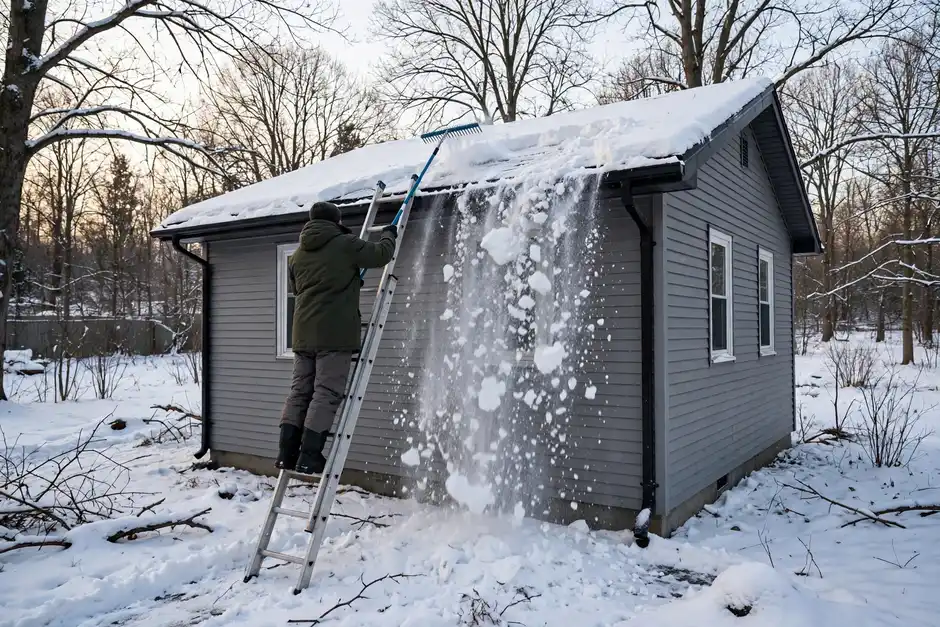
Gutter Cleaning
Debris removal and downspout clearing to keep water moving.Gutter Guard Installation
Mesh, screen, and solid-cover guards that cut down debris.Copper Gutters
Copper and half-round systems for older and historic-style homes.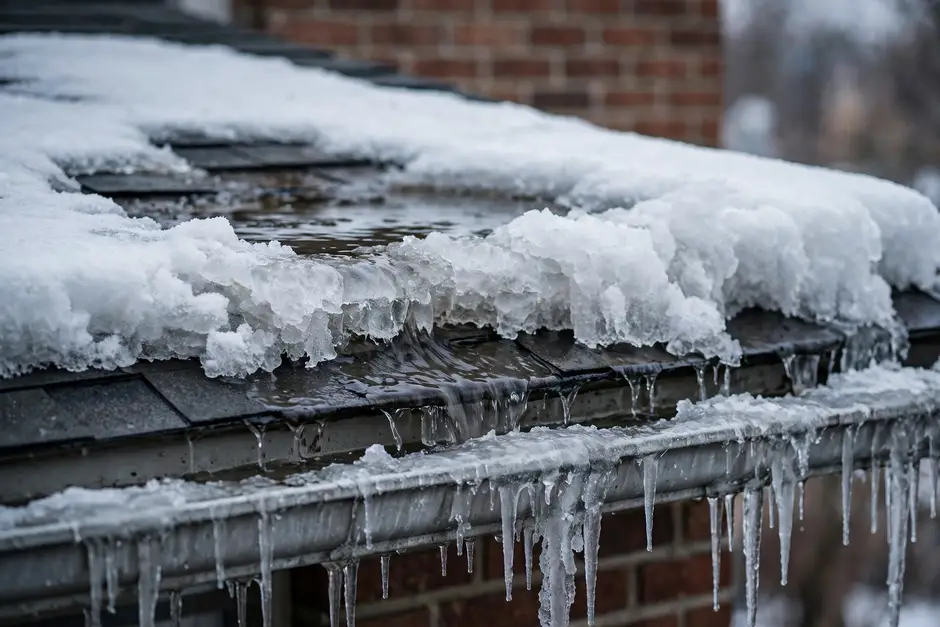
Downspout Installation
Downspouts, extensions, and discharge that moves water from the wall.Fascia and Soffit Repair
Fascia and soffit repair where damage sits behind the gutter.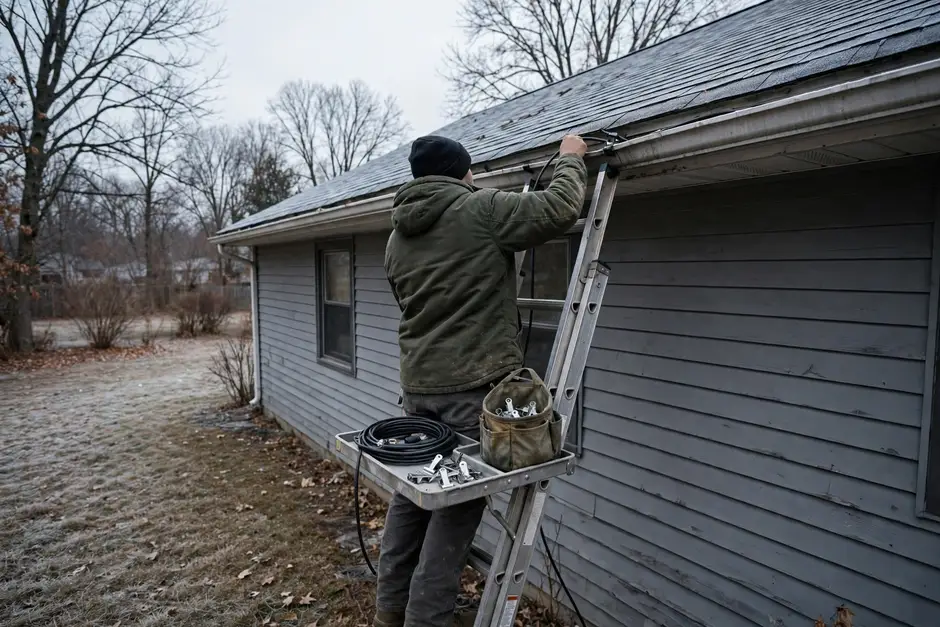
Commercial Gutter Services
Gutter systems for commercial and multi-unit buildings.Ready when you are
Ice Dam Prevention in Indianapolis — Call Before Winter
Call (317) 953-7363 during business hours to discuss prevention for your roofline. Monday through Friday 8 AM to 6 PM, Saturday 10 AM to 12 PM, Sunday closed.
Talk with the local team
Request Ice Dam Prevention
Call (317) 953-7363 during business hours to discuss ice dam prevention. You can also reach us through the contact page. Indianapolis service areas are listed on the locations page. Office hours are Monday through Friday 8 AM to 6 PM, Saturday 10 AM to 12 PM, and Sunday closed.