A city that became a neighborhood, beside the largest industry in town
Gutter service in West Indianapolis for Victorians and bungalows
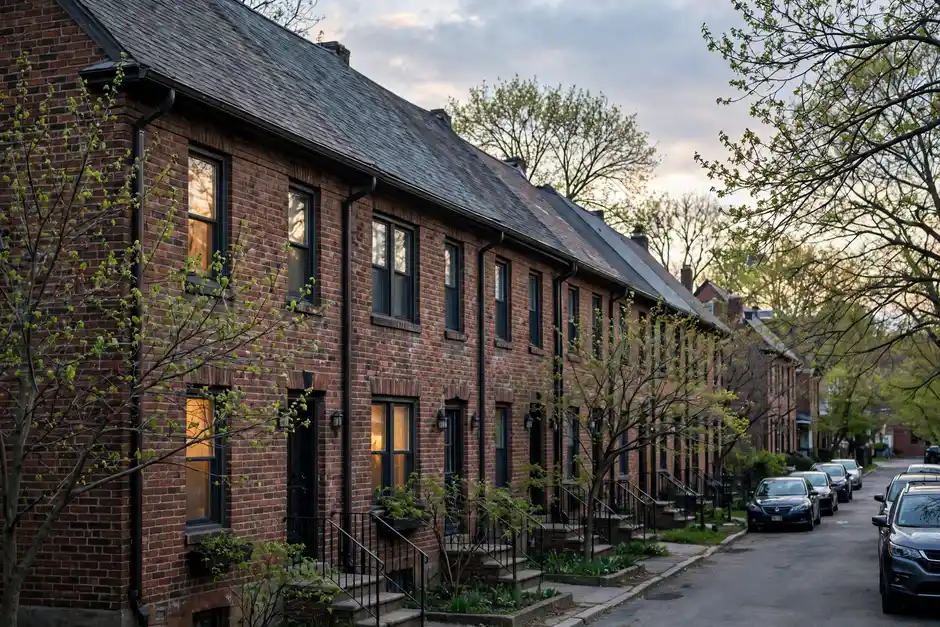
West Indianapolis is bordered by Holt Avenue to the west, Raymond Street to the south, the White River to the east, and CSX rail to the north. It was a town in 1882, a city in 1894, and annexed in 1897, with one mayor ever, A. B. Tolin. Housing mixes working-class two-story Victorians, post-World War II aluminum-sided tract homes, ramblers, and brick bungalows, some 19th-century, with Craftsman wrap-around porches on narrow tree-lined streets. Call (317) 953-7363 during business hours to discuss gutter service in West Indianapolis for your roofline.
Mon–Fri 8 AM–6 PMSat 10 AM–12 PMWhite River eastern edge
Stockyards, industry, and the 1913 flood line
Working-class housing woven through industry
West Indianapolis housing includes working-class two-story Victorians plus post-World War II aluminum-sided tract homes plus ramblers plus brick bungalows, some 19th-century, with Craftsman wrap-around porches and narrow tree-lined streets. One city summary claims much housing was built pre-1900, a broad claim flagged here rather than treated as a surveyed fact. The inferred gutter consequences follow those forms: two-story Victorian steep and complex rooflines with tall access, tract-home simple gables with aluminum siding, where the gutter and fascia interface differs from wood-sided houses, inferred from material, wrap-around porch roofs creating a full second gutter line, and brick bungalows with porch roofs on narrow lots. Narrow tree-lined streets point to a moderate-to-high leaf load, inferred. The 1913 flood east-end impact and the Hill distinction are the documented geographic facts, and foundation-drainage content here stays tied to them without asserting findings for specific addresses. Environmental context is limited to sourced facts only: industrial history and the existence of the Reilly Tar Community Involvement Plan, with no health claims. The largest industrial concentration in the city sits here: Eli Lilly, with the Lilly Technology Center at about 12,000 workers per Apartments.com, Rolls-Royce, Vertellus, and Ingredion. The stockyards ran from 1877 to 1973, nearly a century at the original site, with the Belt Railroad built for it.
Explore services in West Indianapolis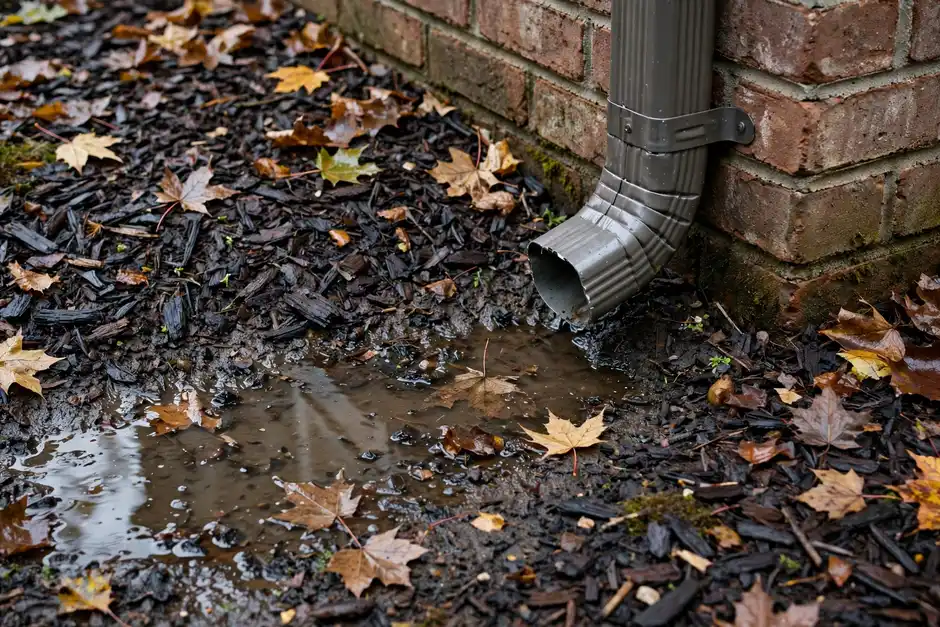
People's Home Improvement LLCThe resurgence on the northeast edge, Elanco headquarters, Henry Street Bridge, and White River State Park expansion, is stated factually as current redevelopment on the area edge. No historic district has been verified for this area, and no National Register district has been verified.
Services available in West Indianapolis
Gutter services in West Indianapolis, Victorian to tract home
Two-story Victorians, tract homes, and brick bungalows share narrow tree-lined streets. The services below cover the full system for each.
01
Seamless Gutter Installation
On West Indianapolis Victorians, new gutters follow steep, complex two-story rooflines, while tract homes add simple gables and bungalows add porch roofs. A new system starts with the roofline: run lengths, valley outlets, and downspout positions are planned before any gutter goes up. Replacement of a worn system follows the same planning.
02Gutter Repair
On Victorian and tract stock, repair often means wrap-around porch-roof gutters, joints, and hangers on tall eaves. A repair visit looks at the whole run, not just the visible drip: pitch, hangers, outlets, and the fascia the gutter hangs from all affect whether a fix holds.
03Gutter Cleaning
Narrow tree-lined streets point to a moderate-to-high leaf load across the area. Cleaning removes leaves, twigs, seed material, and shingle grit from the trough and checks that downspouts run clear. It is the first fix when overflow appears during rain.
04Gutter Guard Installation
Guards reduce debris entry under tree-lined canopy, though wrap-around porch roofs still call for periodic checks. Mesh, screen, and solid-cover guards each suit different tree conditions. Guards cut debris entry but still need inspection, since fine material and seeds can collect on and under them.
05Copper Gutters
Copper is an option where a Victorian home calls for a traditional gutter profile, discussed alongside aluminum. For houses with historic character, copper offers a traditional look with soldered joints and miters. It is discussed alongside aluminum so the choice fits the house, not just the roofline.
06Downspout Installation
On narrow lots, downspout placement decides whether roof water stays clear of the foundation, and river context adds care on eastern lots. Downspouts carry roof water to the ground, and extensions move it away from the foundation. Discharge goes onto the ground at least 3 feet from the building; connection to a sanitary sewer is prohibited.
07Fascia and Soffit Installation
On Victorian eaves, fascia behind tall runs and porch roofs can hide rot where planes meet. Rotted fascia cannot hold gutters securely, so fascia repair often comes before the gutter goes back up. Soffit panels and trim are repaired to match the existing eave.
08Ice Dam Prevention
Steep Victorian pitches and valleys can hold snow at the eave, so prevention starts with gutters that stay open through winter. Ice dams form when snowmelt refreezes at the eave. Prevention centers on drainage that stays open through winter and cables where buildup repeats year after year.
09Commercial Gutter Services
The largest industrial concentration in the city sits here, and commercial gutter work is discussed per building. Commercial gutter work covers larger rooflines, multi-story access, and box-gutter and flat-roof drainage details. Scope is discussed per building, since commercial roofs vary widely.
Industry, stockyards, and a flood line
What shapes gutter work in West Indianapolis
The industrial neighbors, the stockyards century, and the 1913 flood line each shape gutter decisions here.
The largest industrial concentration in the city
Eli Lilly, Rolls-Royce, Vertellus, and Ingredion make industry the defining neighbor of this area, with residential streets woven through it. The Lilly Technology Center holds about 12,000 workers, per Apartments.com. Residential gutter work here happens inside an industrial landscape, not beside it.
The stockyards century, 1877–1973
Nearly a century at the original site, the Belt Railroad built for it, and working-class housing built around it: the complete origin story of the area. The housing stock that grew around the stockyards is the stock whose gutters are discussed on this page.
The 1913 flood and the Hill
The 1913 flood east-end impact and the Hill distinction drew a lasting social and geographic line inside one neighborhood, the most specific flood-legacy fact in this group. Foundation-drainage content stays tied to those documented facts.
Early warning signs
Signs you need gutter service in West Indianapolis
These symptoms fit the Victorian, tract, and bungalow stock here. Each is linked to the page that covers its fix.
Water overflowing from gutters during rain
Overflow on a two-story Victorian often starts as a clog at a valley outlet, while overflow on a tract home often starts as a clog on a simple gable run. Cleaning is the first fix.
Sagging or pulling away from the house
On tall Victorian eaves, sagging often means hangers have loosened in aging fascia. Wrap-around porch roofs add a full second gutter line to check.
Stains on the fascia or soffit
Staining under a tall eave or a porch roof can mean water is getting behind the gutter. The fascia behind the stain needs a look, and the interface differs on aluminum-sided tract homes.
Water pooling near the foundation
Narrow lots leave little setback room, so pooling near the foundation traces to downspout placement, with river context on eastern lots.
Cost factors, not prices
What affects the cost of gutter service in West Indianapolis
Gutter work in West Indianapolis varies from a tract-home gable to a two-story Victorian roofline, and this page publishes no prices. The factors below shape the scope of a job. Call (317) 953-7363 during business hours to discuss your house.
Roofline length and complexity
Victorians add steep, complex planes and wrap-around porch roofs, while tract homes add simple gables and bungalows add porch roofs.
Stories, height, and access
Two-story Victorians need tall access, and narrow tree-lined streets can complicate ladder placement.
Material and fascia condition
Material choice changes the scope of new work, and fascia on Victorian eaves can add repair work.
Named features in the area
Places that shape gutter work in West Indianapolis
The river, the Lilly campus, the bridge, and the rail line set the scene in West Indianapolis.
White River
The river forms the eastern boundary, with 1913 flood context on the east end.
Lilly Technology Center
The Eli Lilly campus, at about 12,000 workers per Apartments.com, anchors the industrial concentration.
Henry Street Bridge
Part of the resurgence on the northeast edge, alongside Elanco headquarters and the White River State Park expansion.
CSX rail
The rail line forms the northern boundary of the area.
Boundaries, not ZIP codes
Where West Indianapolis sits in Indianapolis
West Indianapolis is bordered by Holt Avenue to the west, Raymond Street to the south, the White River to the east, and CSX rail to the north, per the Reilly Tar Community Involvement Plan. Call (317) 953-7363 during business hours to discuss your address.
Boundaries: Holt Ave · Raymond St · White River · CSX rail
Call (317) 953-7363 →
1234
Business hoursMon–Fri 8 AM–6 PM · Sat 10 AM–12 PM · Sun Closed. Call (317) 953-7363 during business hours to discuss your gutters.
Indianapolis homeowners
What Indianapolis homeowners say
★★★★★
“Recently had people's home improvement LLC. for gutters on home. They did an amazing job. I highly recommend. It's hard to find trustworthy companies. I like the fact they could answer my questions with good communication. The crew was very knowledgeable. If I ever need any future home repair needs I will definitely call this company. People's home improvement LLC ⭐⭐⭐⭐⭐”
★★★★★
“Fast, affordable, and professional! People Home Improvement LLC replaced my old gutters with seamless gutters and installed gutter guards. The team was efficient, knowledgeable, and cleaned up my yard beautifully when they were done. I highly recommend them to anyone in the area! Done in the Franklin Johnson county area.”
More Indianapolis areas
More Indianapolis gutter service areas
See the full list of areas on the locations page.
West Indianapolis gutter service FAQ
FAQs about gutter service in West Indianapolis
Our team can help if your question is not answered here.
Call (317) 953-7363Was West Indianapolis really its own city?
Yes. It was a town in 1882, a city in 1894, and annexed in 1897, with one mayor ever, A. B. Tolin: a complete municipal biography in three dates.
How often should gutters be cleaned in West Indianapolis?
Narrow tree-lined streets point to a moderate-to-high leaf load, inferred. The citywide guidance consensus is twice-yearly cleaning, in late spring and late fall.
What affects the cost of gutter service in West Indianapolis?
Roofline complexity, height and access on two-story Victorians, material choice, and fascia condition are the main factors. This page publishes no prices.
What is the Hill distinction?
The 1913 flood east-end impact and the Hill distinction are the documented geographic facts for this area, drawing a lasting line inside one neighborhood. Foundation-drainage content here stays tied to those facts without asserting findings for specific addresses.
Does industry affect residential gutters here?
Industry is the defining neighbor, with residential streets woven through the largest industrial concentration in the city. Environmental context on this page is limited to sourced facts, industrial history and the Reilly Tar plan existence, with no health claims.
Call during business hours
Talk through your West Indianapolis roofline
Victorian, tract home, rambler, or brick bungalow, the conversation starts with the roofline in front of you. Call (317) 953-7363, Monday through Friday 8 AM to 6 PM or Saturday 10 AM to 12 PM.
Talk with the local team
Request West Indianapolis service
Call (317) 953-7363 during business hours and describe what you are seeing: overflow at a valley outlet, a sagging tall run, staining under a porch roof, or water pooling on a narrow lot. It helps to mention whether the house is a Victorian, a tract home, a rambler, or a brick bungalow.